
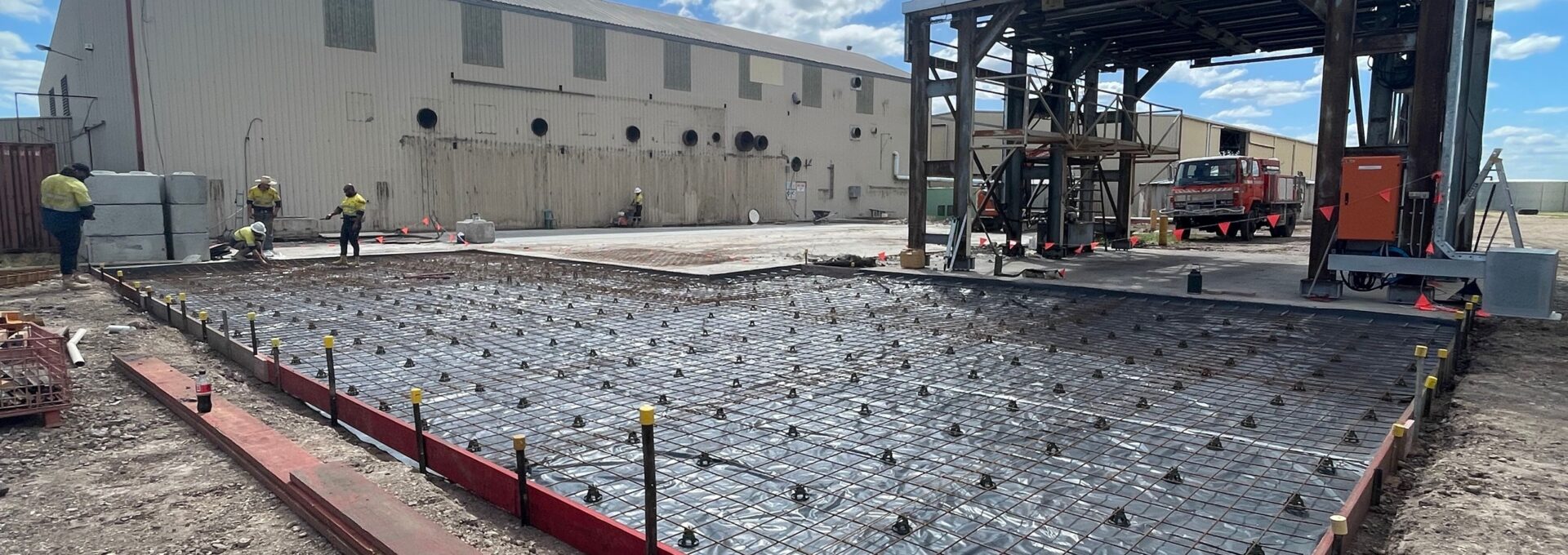
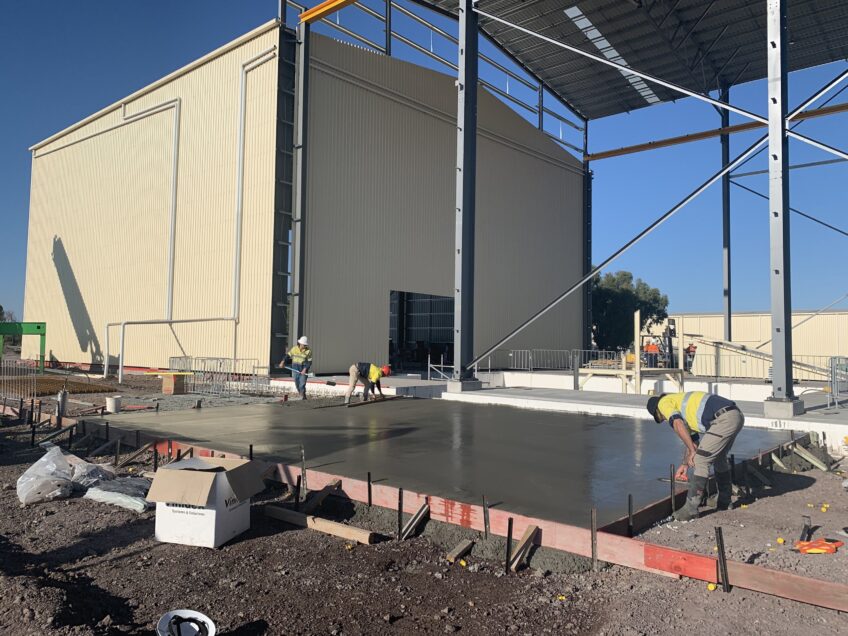
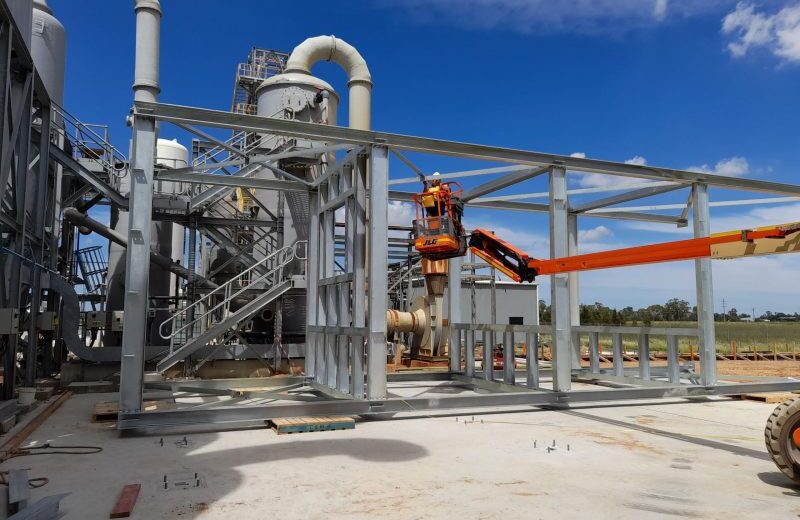
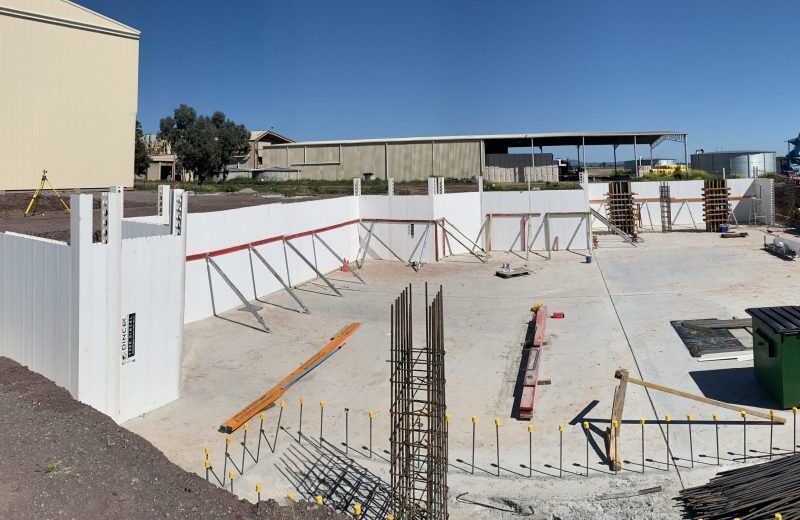
Ensure a stable foundation with custom concrete pads for sheds
Whether you need an all-weather base for feedlots, a concrete slab for grain storage, or heavy-duty hardstands for trucks and storage facilities.
Our local in-house team manages the entire site preparation process, including earthworks, compaction, drainage, and final trimming. Leveraging modern machinery and proven construction methods, we create a level, well-drained base that performs in tough regional environments.
Build with confidence knowing your pad is solid, precise, and equipped to handle heavy loads, machinery traffic, and regional climates. All with minimal disruption to day-to-day industrial and farming operations.
Trusted for total project delivery


























FAQs
Concrete is the most reliable foundation material for rural and industrial sheds because it delivers long-term strength, stability, and weather resistance. A properly poured slab won’t shift, rut, or break down under heavy machinery, livestock traffic, or moisture.
Concrete also resists erosion, pests, and seasonal movement, giving you a level, low-maintenance base that supports large spans and heavy loads.
For landowners planning to stay on the property or protect valuable equipment, these benefits make a concrete shed pad the most durable and cost-effective choice.
Proper drainage prevents water from sitting beneath or around your concrete shed base, which protects both the slab and the structure built on top of it. When water can drain away easily, the soil stays stable, reducing the risk of movement, cracking, or sinking over time.
It also helps stop moisture from wicking up through the concrete, which can lead to mould, rust, and deterioration of stored items. In heavy rain, a well-designed drainage system keeps water flowing away from the shed so the base stays dry, level, and long-lasting.
For most Australian sites, adequate drainage generally requires the slab to be slightly elevated, the surrounding ground to be graded to fall away from the structure, and excess water to have a clear path to escape.
Most rural shed slabs should be 100–150 mm thick, with thicker sections required for high-load areas like truck bays or heavy plant storage.
However, soil conditions, engineering requirements, and expected traffic all influence the final specification. On reactive or soft ground, additional reinforcement and depth may be needed to prevent cracking or settlement.
While the exact inclusions vary depending on your requirements, our process generally follows the below steps:
1. Site preparation
Our team starts by assessing the soil, marking out the shed pad to the correct height, and removing any soft or unsuitable material.
This early groundwork creates a clean, level surface that sets your shed up for a smooth, stress-free build.
2. Earthworks and compaction
Using GPS-guided machinery, we complete both bulk and detailed earthworks to achieve precise levels across the concrete pad.
Imported or reworked fill is compacted in layers to engineering specifications, laying the strong foundation needed to support heavy loads and shed structures.
3. Drainage installation
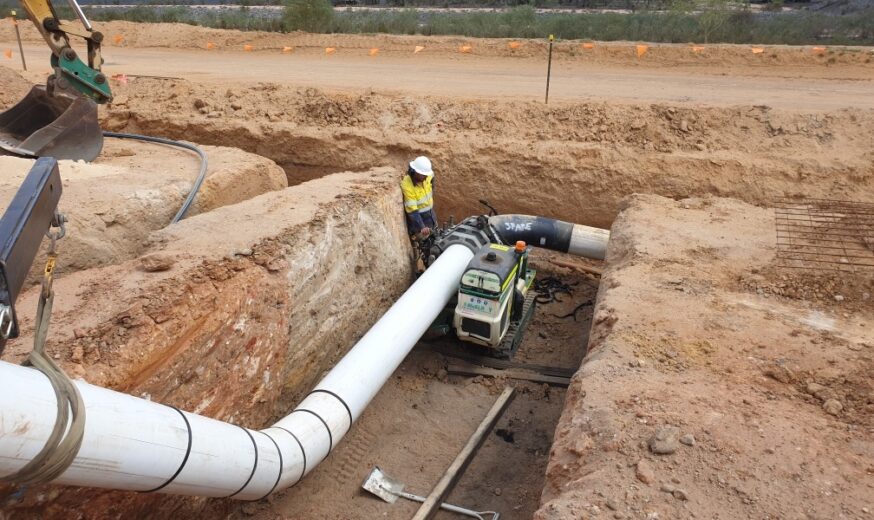
After shed pad installation, we design and install effective drainage systems for all-weather reliability on rural sites. This can include surface drains, spoon drains, and culverts.
By directing water away from the shed, we reduce the risk of pooling, erosion, and seasonal flooding, keeping your site accessible and functional year-round.
4. Final trim and finishing
Once the main earthworks and shed pad installation are complete, we carry out a final trim to tight tolerances and prepare the surface for construction.
Choose gravel, roadbase, or stabilised finishes to match your shed builder’s requirements, ensuring a reliable shed foundation that’s ready to build upon.
5. Optional add-ons
Our experts can also take care of driveway tie-ins, access roads, retaining works, concrete aprons, and other supporting infrastructure.
Managing everything under one contract makes the process simpler, reduces delays, and delivers a true turn-key shed pad solution.
A standard shed pad is usually built in 3–7 days, depending on the size of the site, weather, material availability, and how much earthworks or drainage preparation is required.
Larger agricultural pads or sites needing significant cutting, filling, or stabilisation may take longer.
Before starting your project, we will provide a clear timeline so that you know exactly how the work is expected to fit around your farming or operational schedule.
Most shed pads use compacted roadbase or select fill, installed in controlled layers to reach the required density and bearing strength.
These materials create a stable, free-draining foundation suitable for concrete pours and heavy machinery.
However, the exact material mix is chosen based on soil type, shed size, and the weight of vehicles or livestock that will use the area.
Yes. We can include surface drainage, spoon drains, culverts, driveway tie-ins, and access tracks as part of the shed pad package.
Proper drainage is essential in rural settings to prevent pooling, erosion, and long-term damage to the shed pad.
Moreover, handling everything in one scope ensures that the pad, access, and water management all work together from day one.
It’s best to have your new shed plans confirmed, as pad size, height, and fall levels are based on the final design.
However, if your shed is still being finalised, we can prepare the site to suit your intended layout and make any adjustments once plans are issued.
Early planning helps avoid costly rework and ensures the pad matches engineering and manufacturer requirements.
The cost of a concrete shed pad depends on site conditions, earthworks requirements, slab thickness, reinforcement, and the total pour area. Rural sites with uneven ground or poor drainage may require additional preparation to ensure a solid concrete base.
At Stripes, we offer itemised, transparent proposals using lump-sum, schedule-of-rates, or subcontract arrangements depending on your project.
Plus, our integrated approach reduces delays and cost overruns, giving you accurate budgets and reliable delivery windows.
What maintenance do concrete slab foundations need?
Concrete shed slabs require very little maintenance. Keeping the surface clean and free of debris, checking drainage paths after heavy rain, and applying a sealant every few years can help protect the slab from moisture, staining and costly repairs.
It also pays to inspect the shed pad for small cracks and fix them as soon as possible. This prevents major issues, ensuring the pad can continue to handle heavy equipment and vehicles over its full lifespan.
